
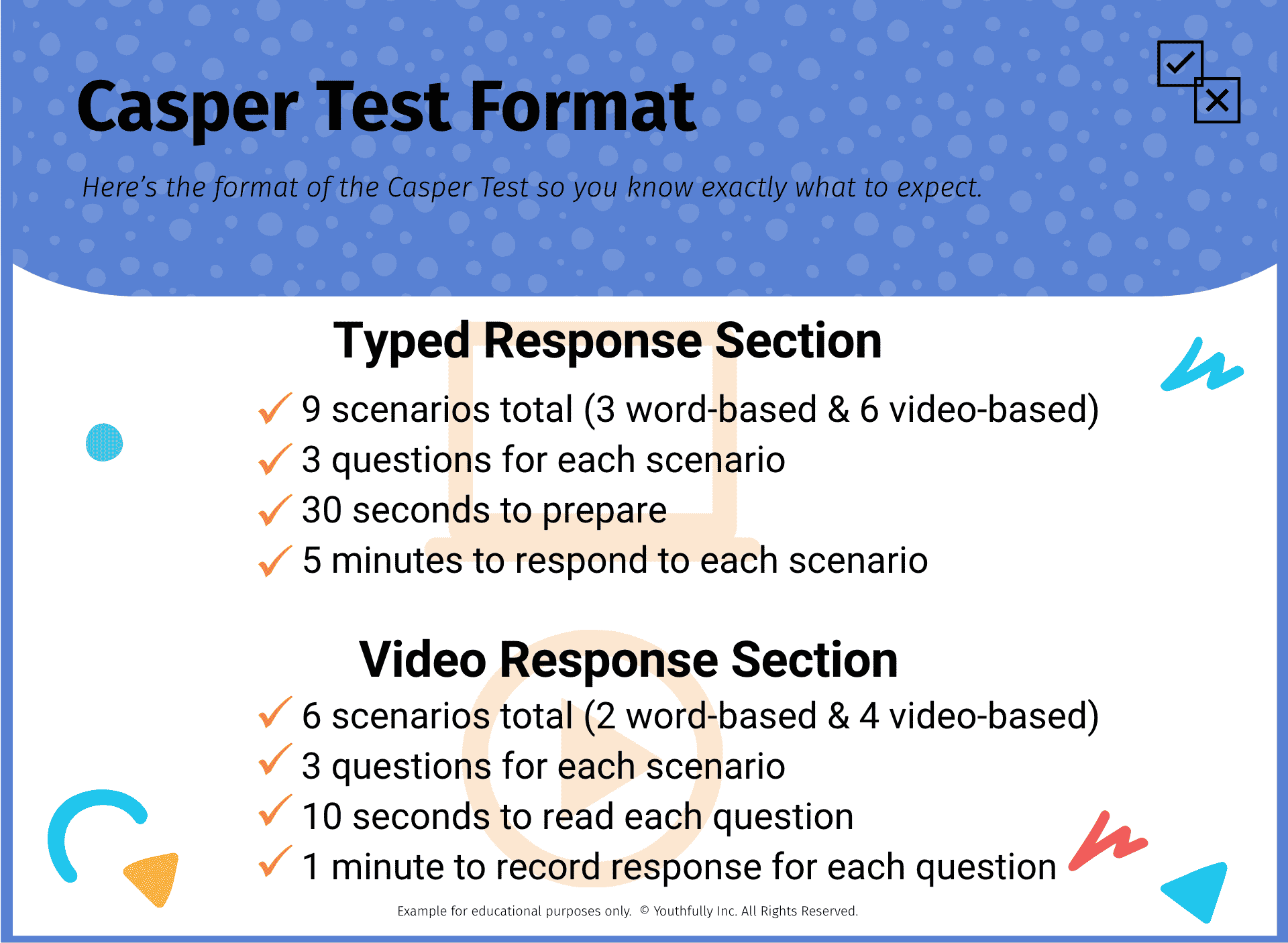
Critical thinking is one of the most valuable skills for students preparing for healthcare admissions. Medical schools, nursing programs, and other professional healthcare institutions want applicants who can make ethical decisions, communicate effectively, and remain calm under pressure. This is why many admissions processes include the CASPer assessment, a situational judgment test designed to evaluate interpersonal and professional skills instead of academic knowledge. Preparing with high-quality CASPer practice questions helps candidates become familiar with realistic scenarios while improving their ability to analyze situations quickly and respond thoughtfully.
PrepTrack is designed to help future healthcare professionals build these essential skills through structured preparation and realistic learning experiences. Instead of memorizing answers, students learn how to think critically, organize their responses, and communicate with confidence. Regular practice improves decision-making, strengthens ethical reasoning, and reduces test-day anxiety. Whether you are applying to medical school, nursing school, physician assistant programs, or other healthcare fields, consistent preparation with CASPer practice questions can significantly improve your confidence and overall performance.
Why Critical Thinking Matters in the CASPer Assessment
Critical thinking goes beyond finding the correct answer because the CASPer assessment focuses on how applicants approach difficult situations rather than what they already know. Every scenario is designed to evaluate qualities such as professionalism, empathy, integrity, communication, collaboration, and problem-solving. Candidates must quickly understand a situation, recognize multiple perspectives, and explain their reasoning in a balanced and respectful way.
Using CASPer practice questions regularly allows students to develop these abilities naturally. Instead of feeling surprised by unfamiliar situations during the actual assessment, candidates become comfortable analyzing ethical dilemmas, workplace conflicts, patient interactions, and teamwork challenges. PrepTrack encourages students to think carefully before responding while maintaining a professional and compassionate tone. This habit becomes increasingly valuable not only during admissions but also throughout a future healthcare career where thoughtful decision-making is essential every day.
How CASPer Practice Questions Improve Decision-Making Skills
Strong decision-making develops through consistent exposure to realistic scenarios. Every time students answer CASPer practice questions, they learn to gather information, identify key issues, consider different viewpoints, and explain practical solutions. This process trains the brain to respond thoughtfully even under strict time limits.
PrepTrack provides an environment where learners can repeatedly practice these essential skills without unnecessary pressure. Instead of focusing on memorized templates, students gain confidence by understanding the reasoning behind effective responses. As they continue practicing, they begin recognizing common ethical themes such as fairness, confidentiality, accountability, respect, and patient-centered care. These experiences strengthen both analytical thinking and emotional intelligence, making candidates better prepared for challenging questions on the actual assessment.
Building Communication and Ethical Reasoning Through Practice
Healthcare professionals interact with patients, colleagues, and families from diverse backgrounds every day. Effective communication requires active listening, empathy, respect, and the ability to explain decisions clearly. The CASPer assessment measures these qualities because they are critical for success in healthcare environments.
Working through CASPer practice questions helps students improve written and verbal communication while developing ethical reasoning. Candidates learn to avoid making assumptions, acknowledge different perspectives, and propose balanced solutions that respect everyone involved. PrepTrack emphasizes thoughtful responses that demonstrate professionalism rather than rushed answers that overlook important details. This approach helps applicants create authentic responses while showing maturity, compassion, and sound judgment during every scenario.
Common Mistakes Students Make During CASPer Preparation
Many applicants begin preparing for the CASPer assessment too late or misunderstand what the exam actually measures. Some focus only on typing speed while ignoring critical thinking and ethical analysis. Others memorize sample responses hoping similar questions will appear on the exam. Unfortunately, this strategy often leads to generic answers that fail to demonstrate genuine reasoning or interpersonal skills.
Practicing with realistic CASPer practice questions helps students avoid these common mistakes. Instead of searching for perfect answers, learners become comfortable evaluating each unique situation independently. PrepTrack encourages students to think critically, remain objective, and explain their reasoning logically. Another frequent mistake involves forgetting to consider multiple perspectives before making a decision. Regular practice teaches candidates to acknowledge uncertainty, gather relevant information when appropriate, and communicate respectfully even during difficult conversations.
Developing Long-Term Confidence with PrepTrack
Confidence is built through preparation rather than luck. Students who consistently practice realistic scenarios become more comfortable managing time, organizing ideas, and responding under pressure. This confidence reduces stress during the assessment and allows candidates to focus on demonstrating their genuine strengths instead of worrying about unexpected questions.
PrepTrack supports long-term skill development by encouraging regular practice with carefully designed CASPer practice questions that reflect the style and expectations of modern situational judgment assessments. As learners progress, they strengthen essential competencies including ethical reasoning, communication, professionalism, collaboration, adaptability, and conflict resolution. These skills remain valuable throughout medical school and future healthcare careers, making preparation an investment that extends well beyond admissions.
Best Strategies for Success on Test Day
Success on the CASPer assessment begins well before the exam itself. Students should complete regular practice sessions, review their responses honestly, and identify areas that need improvement. Understanding ethical principles, practicing time management, and learning to organize responses logically all contribute to stronger performance. Candidates should also remain calm, read each scenario carefully, and avoid rushing to conclusions before considering every important perspective.
Using CASPer practice questions through PrepTrack allows students to enter the assessment with greater confidence and stronger critical thinking skills. Instead of relying on memorized responses, they develop flexible thinking that can adapt to a wide variety of situations. This preparation encourages authentic communication, balanced decision-making, and professional judgment that admissions committees value highly. Consistent practice ultimately transforms uncertainty into confidence, helping applicants perform at their best when it matters most.
Conclusion
Preparing for the CASPer assessment is about developing the professional qualities that healthcare programs expect from future students and practitioners. Regular practice strengthens critical thinking, ethical reasoning, communication, empathy, and decision-making while helping candidates become more confident under pressure. These abilities cannot be developed overnight, but they improve steadily through consistent exposure to realistic scenarios and thoughtful reflection.
PrepTrack provides a practical and supportive way to prepare using carefully designed CASPer practice questions that encourage authentic learning instead of memorization. By investing time in meaningful practice, students build lasting skills that improve both admission prospects and future success in healthcare careers. With the right preparation strategy, every practice session becomes another step toward stronger critical thinking, greater confidence, and outstanding performance on the CASPer assessment.